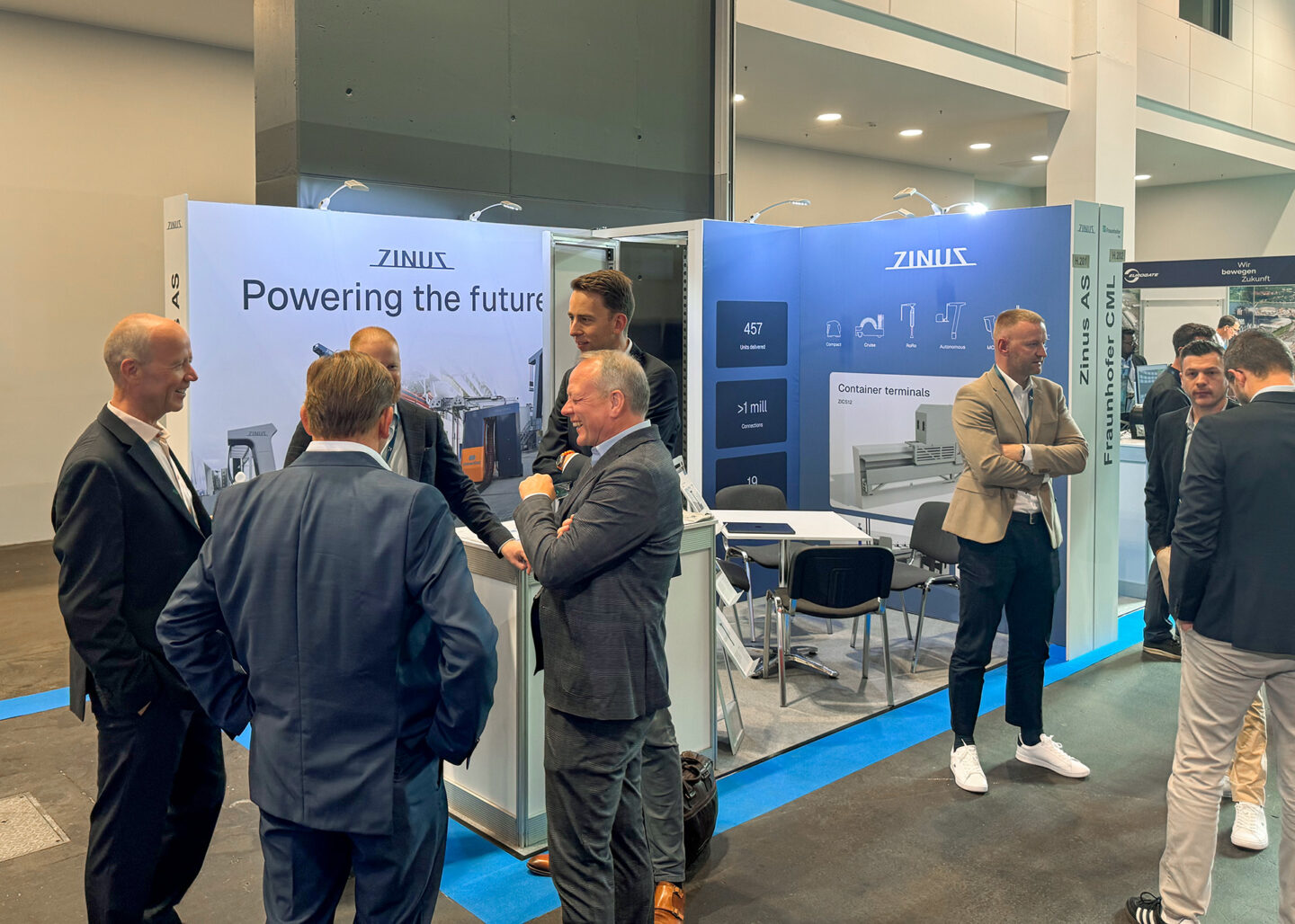
Every port is different
The vessel mix plays a large part in this. A cruise terminal has different requirements from a port serving ferries, Ro-Ro vessels, container ships or tankers. Many ports need to accommodate several vessel categories, each bringing different connection requirements, operating patterns and applicable standards.
At the same time, the infrastructure has to fit into the physical reality of an existing port. This need for flexibility has shaped much of the development at Zinus. Our portfolio today spans shore power and charging applications for a wide range of vessel types, allowing the solution to be adapted around the vessels, quay layout and the way the port actually operates.
For cruise terminals, for example, cable reach and flexibility can influence how much of a quay can be served without adding unnecessary infrastructure. Fast ferries bring another challenge: frequent connections, short turnaround times and, increasingly, the value of automating the connection process.
The applications are different, but the underlying consideration is the same: the technology has to work around the operation of the port – not the other way around.
The power still has to reach the quay
Cable management is only one piece of a much bigger electrification picture. Grid capacity remains a real constraint for many ports. As more vessels become shore-power ready and more of them need to connect at the same time, having sufficient power available at the quay becomes increasingly important.
This goes far beyond what any single equipment supplier can address. It requires investment in energy infrastructure and cooperation between ports, utilities, authorities and vessel owners.
Funding is another part of the equation. Across Europe, the timing and availability of public funding directly affects when port electrification projects move forward – something that came up in Hamburg too.
For Zinus, the focus is on the part we can influence: making the connection from shore to vessel safe, flexible and efficient, and developing solutions that can continue to serve a port as its needs evolve.
From Oslo to Reykjavík
Some of the conversations were with ports we already know well. We met representatives from the Port of Oslo and the Port of Reykjavík, where Zinus equipment is already in operation.
In Oslo, our technology supports shore power infrastructure for cruise vessels – a good example of how cable management becomes part of the practical transition towards lower-emission port calls.
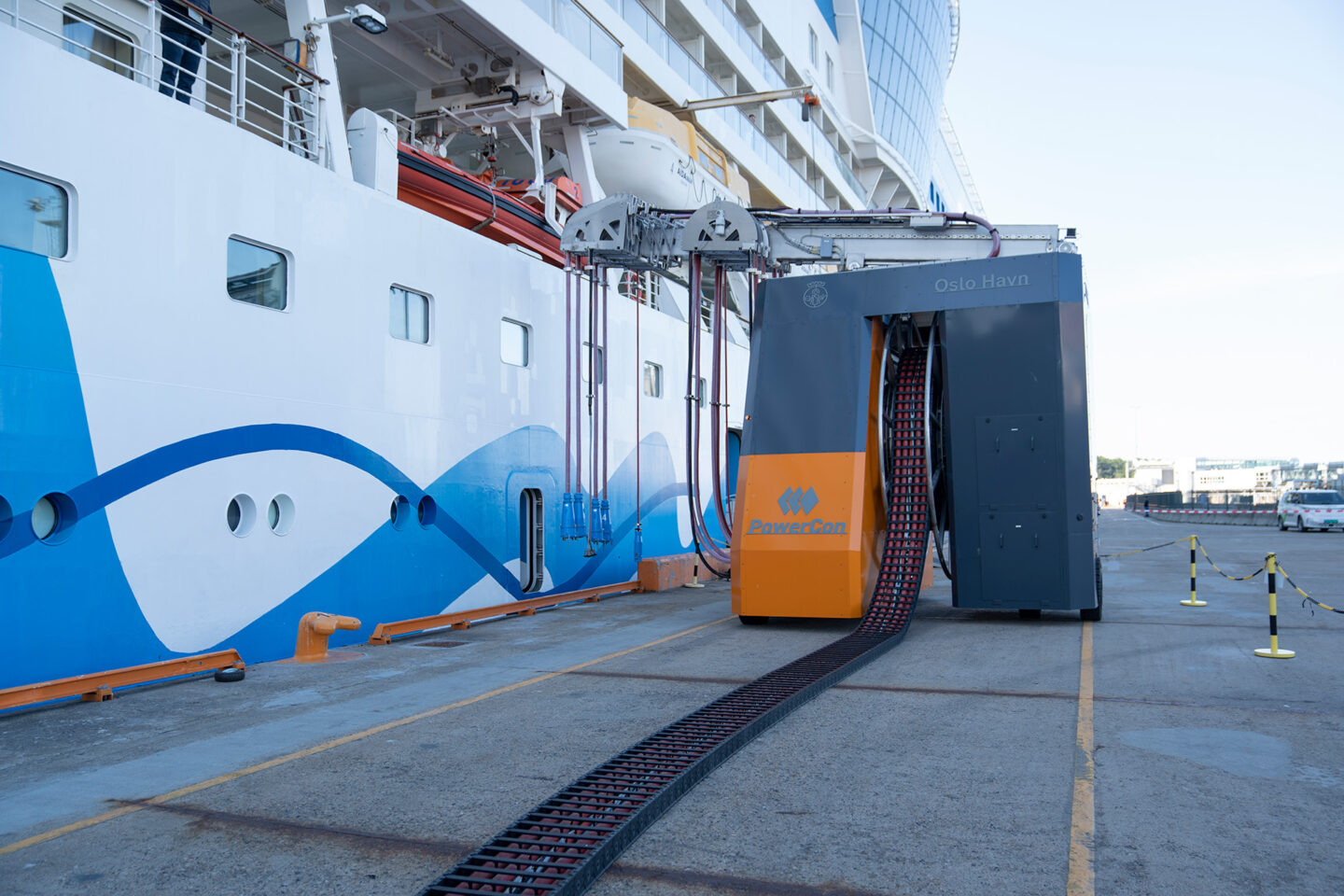
In Reykjavík, Zinus has supplied compact units as well as low-voltage shore power solutions.
Working with ports in different markets gives us experience across vessel categories, climates and operational requirements. Just as importantly, the dialogue continues after the equipment is installed. What we learn from systems in operation feeds into projects that follow.
Standards are part of the conversation
For ports establishing shore power for the first time, there is a new set of standards and technical requirements to navigate. Decisions need to account not only for the vessels calling today, but also for those expected at the quay in the years ahead.
International IEC standards provide an important framework, with different requirements for vessel categories including cruise, Ro-Ro, tankers and car carriers.
For us, staying up to date on these developments is part of being a useful partner. It allows the conversation with a port to start with its actual requirements rather than with a particular piece of equipment.
The dialogue continues beyond Europe
Although Hamburg was the meeting point this time, the perspective was very much international. One particularly interesting contribution at All About Ports came from the Canadian port community and the work taking place around port development and electrification there.
Canada is an important market for Zinus, and we see considerable potential as port and vessel electrification develops further. We will continue that dialogue shortly at CFA, Canadian Ferry Association, in Ottawa, where Zinus will participate together with Innovation Norway.
A global transition, delivered locally
Port electrification is a global transition, but implementation is always local. Every quay has its constraints. Every port has its own vessel mix, investment plans and infrastructure. Some are preparing large-scale electrification programmes; others are solving a very specific connection challenge.
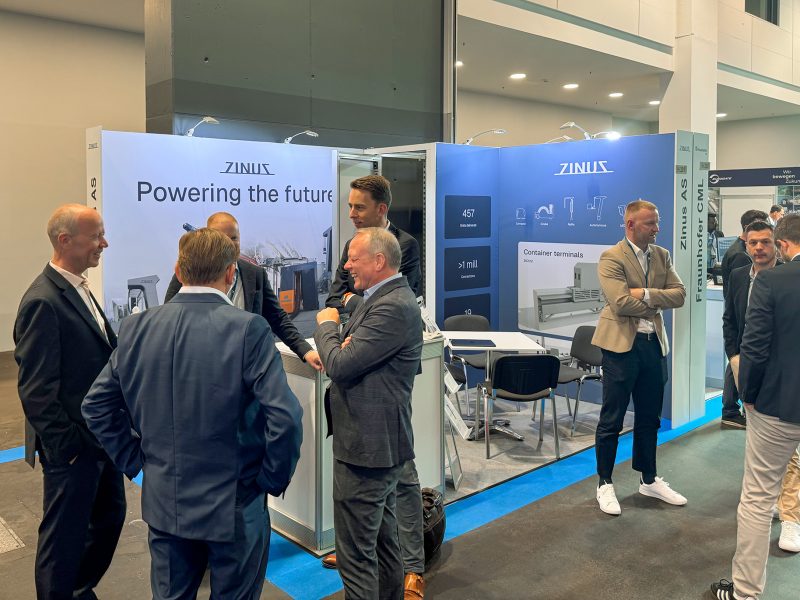
The conversations in Hamburg reinforced what we see across our projects: successful electrification is about bringing together the right infrastructure, technology and operational understanding for the port in front of you.
Different ports will take different routes towards electrification. Our job is to help make the connection work.